
Why Gold Price is Increasing in India?

Why Gold Price is Increasing in India? Gold prices in India have been consistently hitting new records over the past few years. In 2025, the price of 24-karat gold touched a historic high of ₹1,28,405 per 10 grams in several cities. This surge is not merely an international market phenomenon but a complex mix of global and domestic factors that directly impact Indian consumers and investors. #SasaramVlogs
▎Historical Context of Gold Prices in India
The last decade has seen a remarkable increase in gold prices:
| Year! | Average Gold Price (per 10 grams) |
| 2016 | ₹28,500 |
| 2017 | ₹29,500 |
| 2018 | ₹31,000 |
| 2019 | ₹35,000 |
| 2020 | ₹49,500 |
| 2021 | ₹52,000 |
| 2022 | ₹48,500 |
| 2023 | ₹64,500 |
| 2024 | ₹71,385 |
| 2025 | ₹1,28,405 |
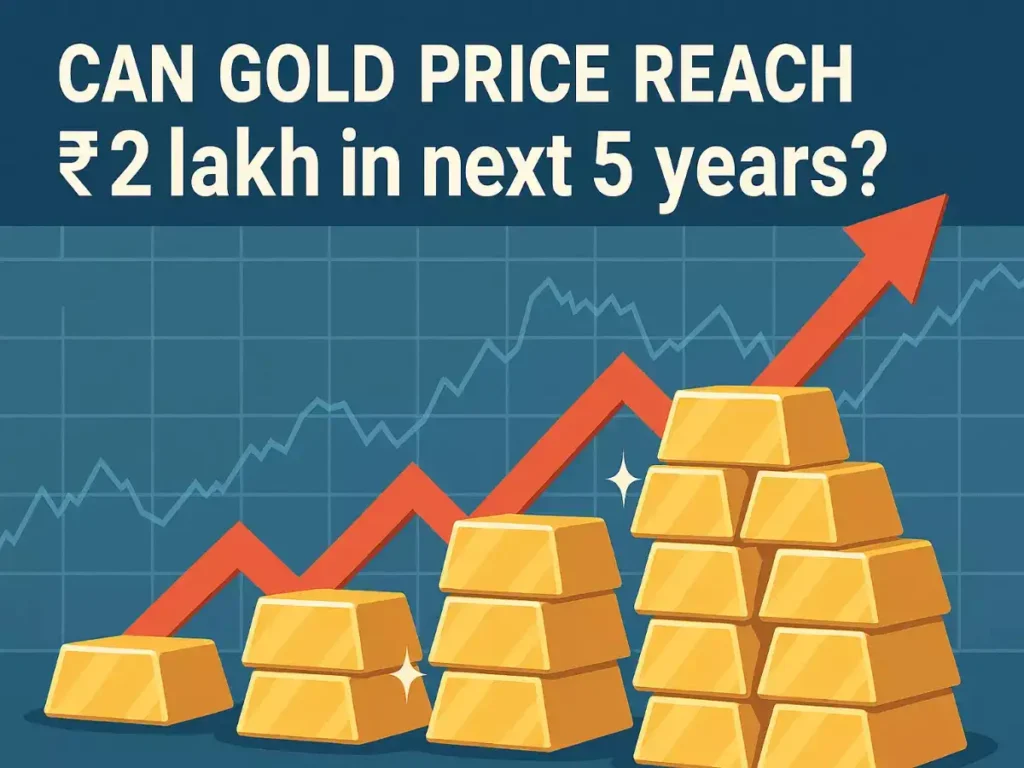
This chart clearly shows the trend of rapidly increasing prices post-2020, linked to the post-pandemic economic landscape.
▎Key Reasons for Rising Gold Prices in India https://sasaramvlogs.in
- Global Economic Uncertainty and ‘Safe Haven’ Demand : Whenever there is geopolitical tension (like wars, trade disputes) or a risk of economic recession worldwide, investors flock to traditional assets like gold to preserve their wealth. Gold is considered a reliable hedge against inflation and a tool for capital preservation. This global demand drives up the price of gold in the international market, which directly affects import-dependent countries like India.
- Weakening of the Indian Rupee Against the US Dollar : India relies on imports for most of its gold requirements, which are paid for in US Dollars (USD) in the international market. When the Indian Rupee (INR) weakens against the Dollar, India has to pay more rupees to import the same quantity of gold. This directly increases gold prices in the domestic market. Rupee depreciation is a major domestic factor amplifying gold price increases in India.
- Increased Gold Purchases by Central Banks : Central banks around the world, including the Reserve Bank of India (RBI), are buying gold in large quantities to diversify their foreign exchange reserves and hedge against economic uncertainty. RBI’s gold reserves have been steadily increasing. This institutional demand boosts gold prices globally.
- High Import Duty and Taxes in India : The Indian government levies a 15% basic customs duty on gold imports. Additionally, other charges like Agriculture Infrastructure and Development Cess (AIDC) and Social Welfare Surcharge apply, raising the total import cost to nearly 18.45%. This high tax burden is passed directly to the consumer and keeps domestic prices significantly above international prices.
- Cultural and Seasonal Demand : In India, gold is not just an investment but a symbol of prosperity, security, and social status. Demand for gold surges massively during festivals (like Diwali, Akshaya Tritiya) and the wedding season. This strong domestic demand, especially from rural areas, provides upward support to prices. India is one of the world’s largest consumers of gold.
- Global Inflation and Fluctuating Interest Rates : During periods of high inflation, investors seek assets that can protect against currency devaluation. Gold has historically been an effective inflation hedge. Also, when central banks like the US Federal Reserve lower interest rates, the appeal of non-interest-bearing assets like gold increases, boosting both demand and price.
- Global Supply Constraints : Gold production is limited, and discovering new mines is complex and expensive. Disruptions in mining operations and global supply chain challenges during the COVID-19 pandemic also put pressure on supply, with the demand-supply imbalance fueling prices.
Our YouTube Channel 📢 : https://youtube.com/@sasaramvlogs.
▎Impact of Rising Prices
- On Jewellery Buyers: High prices may lead consumers to opt for lighter designs, lower karat gold, or gold alternatives. Wedding and festival budgets are impacted.
- On Investors: Investors continue to invest in gold as a long-term asset allocation, but price volatility affects short-term trading. Interest is growing in digital alternatives like Sovereign Gold Bonds (SGBs).
- On the Economy: Increased gold imports can widen the current account deficit, which can be challenging for the economy.
▎Conclusion: What Does the Future Hold?
Gold will remain an integral part of Indian households and investment portfolios. However, navigating this period of rising prices requires informed decisions. Investors should include gold in their portfolios as a tool for diversification, not for short-term speculation. Options like Sovereign Gold Bonds, Gold ETFs, or Digital Gold can be more efficient and secure than holding physical gold.
Ultimately, gold prices in India are determined by global market dynamics, government policies, currency movements, and unwavering cultural demand. As an aware investor or consumer, understanding these factors will help you make more informed and prudent financial decisions in a volatile market.
Ab to lagta hai next month 2 lakhs cross ho jayega! 👏
Perfect Key Reasons for Rising Gold Prices in India! Take a Bow.
Gold is a treasure, and he who possesses it does all he wishes to in this world.” – Christopher Columbus 🤍
Invest in Gold, Invest in Your Future.
This is why the value of Indian Rupee is falling, I think in the coming days the value of 1 dollar will be equal to 100 Indian Rupees.