
Why Dhurandhar Is Different from Other Bollywood Spy Movies
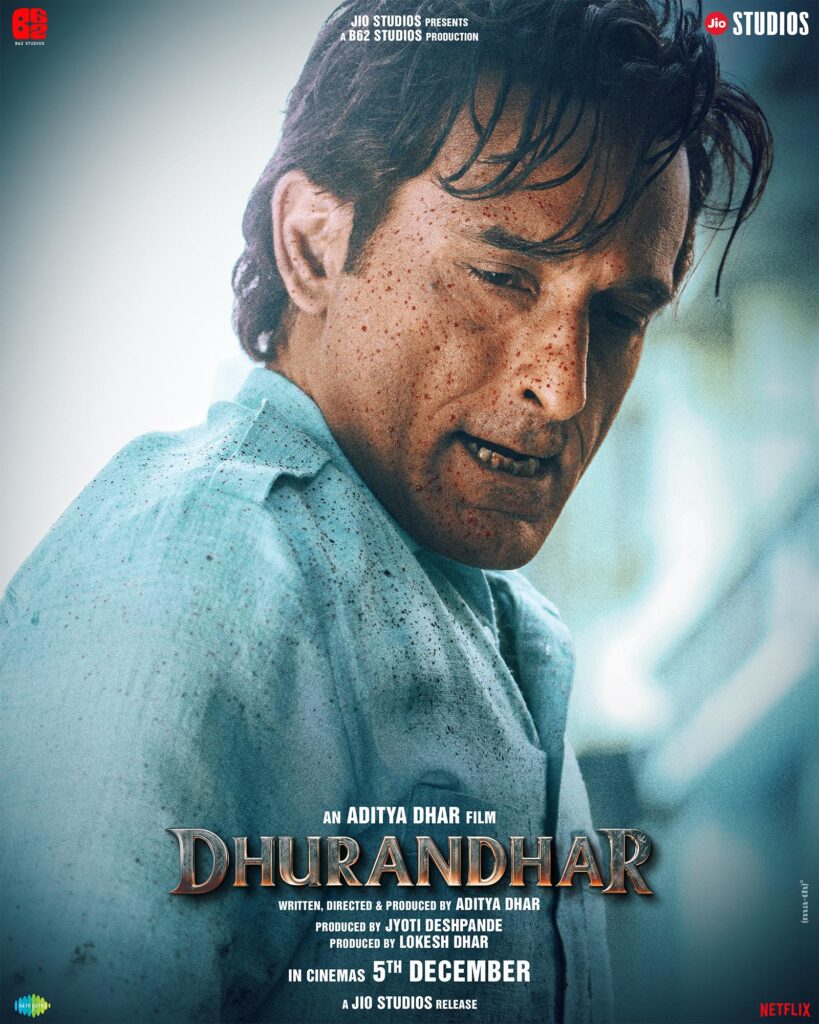
Why Dhurandhar Is Different from Other Bollywood Spy Movies? In the ever-evolving landscape of Indian cinema, few films arrive with the weight of expectation, controversy, and sheer scale of “Dhurandhar”. Released on 5th December, this 214-minute cinematic juggernaut, directed by Aditya Dhar of “Uri: The Surgical Strike” fame, is more than just a movie; it’s a cultural event. With a staggering budget of ₹225 crore and a box office collection already soaring past ₹252 crore in its first week, “Dhurandhar” has firmly planted itself in the public consciousness. But beyond the numbers lies a complex, layered narrative that is sparking fervent debate across India and Pakistan, challenging viewers with its portrayal of espionage, patriotism, and moral ambiguity.
▎The Premise: A Web of Shadows and Loyalties
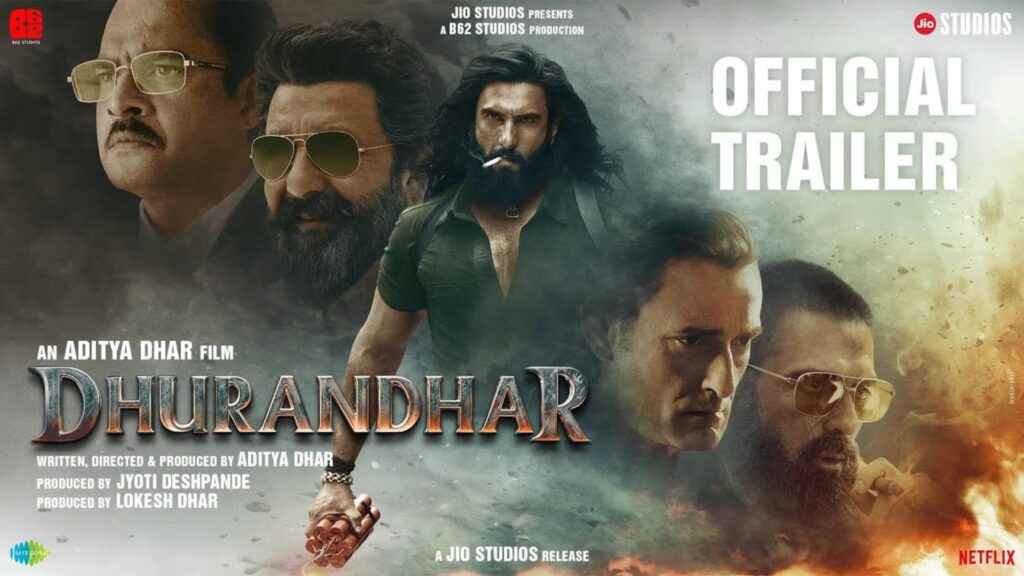
Dhurandhar plunges us into an underworld saga where the lines between criminal networks, intelligence operatives, and informants blur into a thrilling tapestry of covert operations and betrayals. At its heart is Hamza Ali Mazari, portrayed with electrifying swagger by Ranveer Singh. Hamza is an Indian spy on a perilous, deeply personal mission in Karachi, Pakistan. His journey is not just a sequence of action set-pieces but a descent into a labyrinth where every ally could be a foe, and every truth is wrapped in layers of deception.
The film’s sprawling narrative introduces a host of characters whose lives intersect in unexpected ways. From the formidable crime lord Rehman Dakait (a masterfully nuanced Akshaye Khanna) to the sharp and resilient Yalina Jamali (played with compelling grace by Sara Arjun), each character is crafted with motivations that defy simple hero-villain binaries. This is a world where SP Aslam and other operatives are presented not as caricatures but as thinking, strategic opponents, elevating the conflict to a battle of wits as much as weapons.
▎Structural Brilliance: The Chaptered Narrative
One of the most praised aspects of “Dhurandhar” is its smart narrative structure. At 214 minutes, the film could have easily become an unwieldy, rambling epic. Instead, director Aditya Dhar employs a chaptered format, eight distinct segments that serve as narrative anchors. This allows the film to explore multiple perspectives, timelines, and geopolitical threads without losing coherence. Each chapter builds tension, deepens character arcs, and peels back another layer of the intricate plot. It’s a storytelling choice that keeps the audience engaged and invested, transforming what could have been a chaotic sprawl into a meticulously controlled saga.
▎Performances That Command the Screen https://sasaramvlogs.in
Ranveer Singh delivers one of his most compelling performances to date. His Hamza is a blend of raw physicality, simmering intensity, and unexpected vulnerability. He embodies the spy not as an invincible superhero but as a man grappling with personal demons, moral compromises, and the weight of his mission. It’s a role that requires both bravado and subtlety, and Singh navigates it with aplomb.
Akshaye Khanna, as the antagonist Rehman Dakait, is a revelation. He brings a potent, humanizing depth to the role; his rage, confusion, and strategic brilliance make him a villain who commands understanding, if not sympathy. Sara Arjun’s Yalina is no mere love interest; she is a pivotal force in the narrative, her character woven into the core conflicts with intelligence and agency. The supporting cast, including seasoned actors in roles of operatives and informants, adds rich texture to this world of shadows.
▎The Aditya Dhar Signature: Patriotism and Provocation
Aditya Dhar is no stranger to nationalistic themes. Uri: The Surgical Strike was a landmark film that tapped into a wave of patriotic fervor. With Dhurandhar, however, Dhar ventures into more contentious territory. The film is framed against the backdrop of India-Pakistan tensions, but it refuses to offer simplistic jingoism. Instead, it delves into the gray zones of espionage; where loyalties are fractured, and actions are driven by both duty and personal trauma.
This nuanced approach is precisely what has divided opinions. In India, many hail the film as a bold, sophisticated evolution of the patriotic thriller, praising its refusal to demonize the “other” entirely. In Pakistan, however, the portrayal of Karachi as a hub of criminal networks and the overarching geopolitical narrative has drawn criticism for perpetuating stereotypes. The debate rages: Is Dhurandhar a provocative piece of political commentary, or is it, as some allege, a veiled propaganda piece?
Our YouTube Channel 📢 : https://youtube.com/@sasaramvlogs.
▎The Art of Deception: Reading Between the Frames
Perhaps the most intriguing interpretation of Dhurandhar is that it operates much like its protagonist: under an artful disguise. The film is layered enough to appear complex, clever enough to deflect easy accusations, and never naive enough to declare its objectives openly. Its soul, as some critics have noted, is rooted in a quiet deception. It invites viewers to question not just the plot twists, but the very nature of truth in times of conflict. Is Hamza a hero, a pawn, or an anti-hero? Is Rehman Dakait a villain or a product of his circumstances? The film offers no easy answers, leaving audiences to grapple with these questions long after the credits roll.
▎Box Office and Cultural Impact
The financial success of Dhurandhar is undeniable. Crossing ₹250 crore in a week is a testament to its massive appeal and the star power of its cast. But its impact extends beyond revenue. The film has ignited conversations about the role of cinema in shaping political discourse, the ethics of portraying real-world tensions, and the evolution of the Bollywood spy genre from straightforward action flicks to morally ambiguous thrillers.
▎Conclusion: A New Benchmark for Bollywood Thrillers
Dhurandhar is a film that demands attention. It is a high-octane, emotionally charged, and intellectually stimulating epic that pushes the boundaries of mainstream Indian cinema. While its political messaging will continue to be debated, its achievements in storytelling, performance, and technical execution are beyond dispute. Aditya Dhar has crafted a film that is as thought-provoking as it is entertaining, a rare feat in today’s cinematic landscape.
Whether you see it as a patriotic saga, a critique of espionage, or a masterclass in narrative tension, Dhurandhar stands as a landmark film. It challenges, provokes, and enthralls, ensuring its place not just in box office history, but in the ongoing dialogue about the power of cinema to reflect and redefine the world we live in.
Dhurandhar is now showing in theaters worldwide. Experience the saga and decide where you stand! 💥
Dhurandhar isn’t a film – it’s a mass-produced political pamphlet masquerading as cinema. It’s the latest entry in a growing industry that has figured out a brutally simple formula for success:
Inflame the masses, next distort the Muslim community, next sell nationalism at the box office, Voila! Walk away with hundreds of crores!
There’s nothing subtle here. No craft. No courage. No storytelling.
Just a relentless drumbeat of the same message: “Be afraid. Be angry. Be suspicious.”
This should have been a web series. It had few moments of its own, but most of the time it was boring and over stretched. By the end of three and half hours, I had reached the point where I wanted to leave the hall without completing it!