
Delhi Pollution Reaches Dangerous Levels: Causes, Effects, and Safety Measures
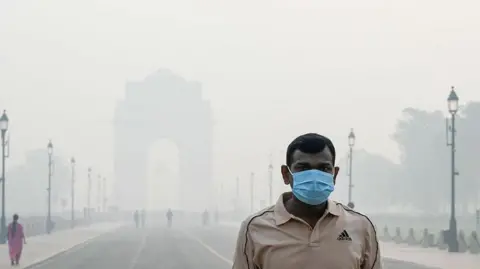
Delhi Pollution Reaches Dangerous Levels: A thick, oppressive blanket of smog has once again descended upon the National Capital Region (NCR), transforming Delhi’s skyline into a ghostly grey panorama. As of December 2025, the city is gasping for breath, with the Air Quality Index (AQI) shattering the 450-mark and hurtling into the “severe plus” category at many monitoring stations. The tangible consequences are stark: over 40 flights cancelled, more than 300 delayed, schools shifting to hybrid learning modes, and a populace advised to stay indoors. This is not merely a “bad air day”; it is a full-blown public health emergency that grinds daily life to a halt. This article delves into the multifaceted crisis, exploring the complex causes, the profound effects on health and society, and the critical safety measures every individual must adopt.
▎The Alarming Current Scenario: A City Under Siege
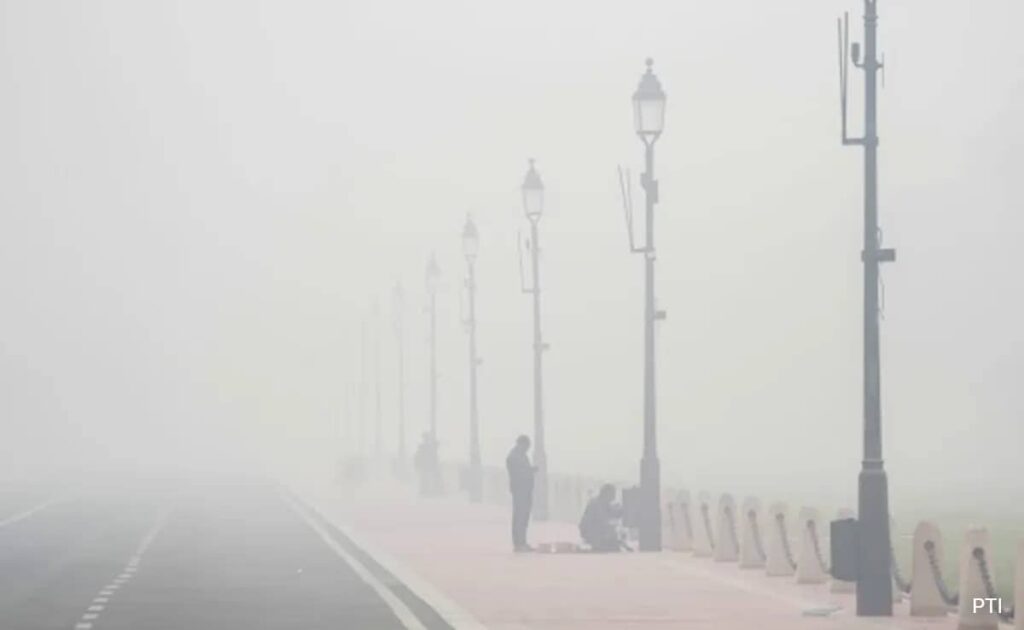
The data paints a dire picture. All 40 air monitoring stations across Delhi are flashing red, with areas like Rohini, Jahangirpuri, and Vivek Vihar recording AQI levels perilously close to 500. The primary villain is PM 2.5, fine particulate matter smaller than 2.5 microns that can penetrate deep into the lungs and bloodstream. Visibility has plummeted, forcing vehicles to navigate with headlights on during the day. The government has triggered the highest level of the Graded Response Action Plan (GRAP-4), indicating a crisis that demands immediate and stringent action.
▎Unraveling the Toxic Cocktail: Causes of Delhi’s Pollution
Delhi’s pollution is a year-round problem that reaches catastrophic levels every winter due to a perfect storm of factors:
- Stubble Burning in Neighboring States: The post-monsoon months (October-November) see widespread burning of paddy stubble by farmers in Punjab, Haryana, and western Uttar Pradesh. This agricultural practice releases enormous quantities of smoke, carbon monoxide, and PM2.5, which are carried by north-westerly winds directly into the Delhi basin, acting as a primary ignition source for the winter smog.
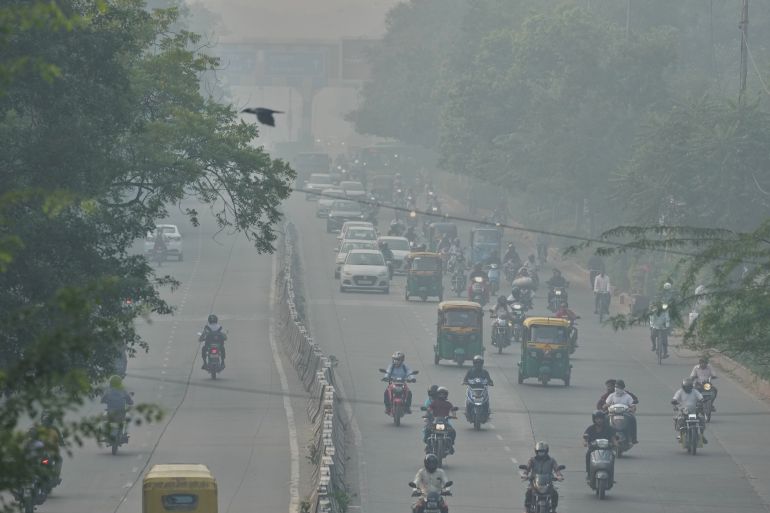
- Vehicular Emissions: Delhi’s roads are choked with over 13 million vehicles. Diesel-powered trucks, two-wheelers, and cars, especially older models not compliant with BS-VI norms, continuously spew nitrogen oxides (NOx), carbon monoxide, and particulate matter. Traffic congestion exacerbates the problem, leading to inefficient fuel combustion and higher emissions.
- Industrial and Local Pollution: Industries within Delhi and the larger NCR, including power plants operating on fossil fuels, contribute significantly to sulfur dioxide (SO2) and particulate emissions. Additionally, localized pollution from small-scale industries, illegal manufacturing units, and the rampant use of diesel generators during power cuts adds to the toxic mix.
- Construction and Road Dust: Despite current bans under GRAP, construction and demolition (CD) activities are a major source of coarser particulate matter (PM10). Unpaved roads, barren land, and continuous construction projects keep vast amounts of dust suspended in the air.
- Geographical and Meteorological Trap: Delhi’s land-locked geography acts as a natural basin. During winter, cooler air settles close to the ground, creating a temperature inversion, a layer of warm air above that acts like a lid. This lid traps pollutants, preventing their dispersion and leading to rapid accumulation.
- Festival-Related and Local Burning: Despite bans, the use of firecrackers during Diwali injects a sharp, toxic pulse of metals and chemicals into the air. Furthermore, the burning of garbage and biomass for heating in informal settlements contributes to the localized pollution load.
▎The Human Cost: Devastating Effects on Health and Society
Breathing Delhi’s air during a “severe” episode is akin to a public health catastrophe unfolding in slow motion. https://sasaramvlogs.in
- Immediate Health Impacts: Irritation of the eyes, nose, and throat, persistent coughing, wheezing, and shortness of breath are the most common symptoms. It exacerbates asthma attacks and can lead to acute bronchitis.
- Long-Term Chronic Diseases: Prolonged exposure is linked to permanently reduced lung capacity and function, and the development of chronic respiratory diseases like Chronic Obstructive Pulmonary Disease (COPD) and lung cancer. PM2.5 particles can enter the bloodstream, increasing the risk of heart attacks, strokes, and cardiovascular mortality.
- Vulnerable Groups at Highest Risk: Children, whose lungs are still developing, the elderly, and those with pre-existing heart or lung conditions bear the brunt of the damage. Pregnant women exposed to high pollution levels face risks of low birth weight and preterm delivery.
- Societal and Economic Toll: The crisis leads to massive economic losses, from healthcare costs and lost productivity due to illness to disruptions in aviation, transportation, and construction. It affects tourism, discourages outdoor activity, and imposes a profound psychological burden of anxiety and helplessness on citizens.
▎Navigating the Smog: Essential Safety Measures for Individuals
While systemic change is imperative, personal protection is non-negotiable when AQI levels are severe.
- Monitor and Heed AQI Alerts: Use reliable apps and websites to check the real-time AQI in your locality. If it is in the “Very Poor” (301-400) or “Severe” (401-500) category, treat it as a serious warning.
- Minimize Outdoor Exposure: Strictly avoid unnecessary outdoor activities, especially during early morning and late evening when pollution concentrations are highest. Postpone walks, jogs, and other exercises. If you must go out, keep the duration as short as possible.
- Create a Clean Indoor Sanctuary: Keep windows and doors closed. Use air purifiers with HEPA filters in key living areas and bedrooms, especially for vulnerable family members. Indoor plants like snake plants and peace lilies can offer minor, supplementary benefits.
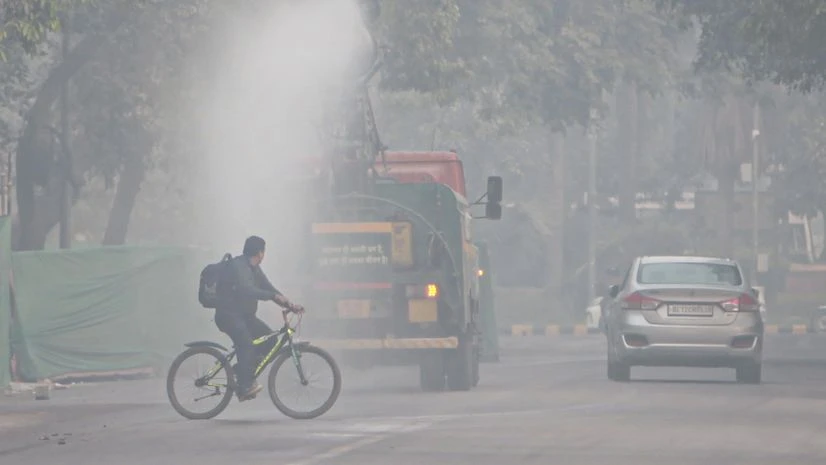
- Wear the Right Mask: Standard cloth or surgical masks are ineffective against PM2.5. Use N95, N99, or FFP2/S respirator masks that fit snugly around your nose and mouth when stepping outside. Ensure they are worn correctly.
- Stay Hydrated and Boost Immunity: Drink plenty of water to help your body flush out toxins. Incorporate a diet rich in Vitamin C, antioxidants (found in berries, nuts, green leafy vegetables), and Omega-3 fatty acids to help combat inflammation caused by pollution.
- Protect the Vulnerable: Be extra vigilant for children, the elderly, and those with health conditions. Ensure they stay indoors as much as possible and have access to clean air.
- Contribute to the Solution: On a personal level, opt for public transport, carpool, or use electric vehicles. Avoid using diesel generators. Do not burn garbage or leaves. Be a responsible citizen and report visible pollution violations to authorities.
Our YouTube Channel 📢 : https://youtube.com/@sasaramvlogs.
▎The Path Forward: Beyond Emergency Measures ⚠️
The recurring implementation of GRAP-4, while necessary, is a reactive emergency brake. Delhi and the NCR need a proactive, sustained, and multi-state strategy:
a) Sustainable Agricultural Transition: Providing farmers with affordable and accessible alternatives to stubble burning, such as happy seeders and bio-decomposers, along with assured economic incentives, is crucial.
b) Accelerated Electric Mobility: A rapid and expansive transition to electric vehicles for public transport and a robust charging infrastructure is non-negotiable.
c) Stringent Industrial Compliance: Ensuring continuous compliance with emission norms by industries and power plants through real-time monitoring and strict penalties.
d) Year-Round Dust Management: Enforcing dust control norms at construction sites 365 days a year and greening barren patches to prevent dust suspension.
e) Regional Cooperation: Airshed management must be treated as a regional issue. Effective coordination between Delhi, Punjab, Haryana, UP, and Rajasthan is essential for a lasting solution.
▎Conclusion: The recurring severe pollution episodes in Delhi are a stark reminder that environmental health is inseparable from public health. The smog is a visible symptom of a deeper ecological and policy crisis. While governments must enforce long-term systemic changes with unwavering commitment, the role of informed and proactive citizens is equally critical. By understanding the causes, recognizing the severe risks, and adopting rigorous personal safety measures, we can protect ourselves and our families in the immediate term. Collectively, we must also demand and support the transformative changes required to ensure that the right to breathe clean air is not a seasonal luxury, but a fundamental guarantee for every resident of the National Capital.
500+ AQI 🫡
All credit goes to Rekha Gupta, Temperature = AQI 🤣
GRAP-4 rule will doesn’t change anything. Totally failure of delhi gov.